-
Oats – A Great Success Story from Caithness
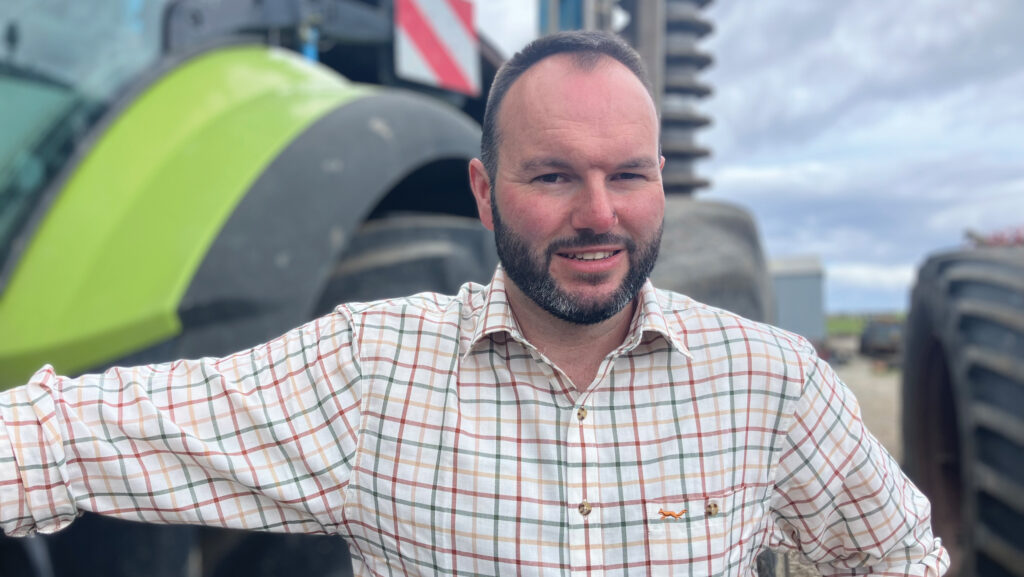
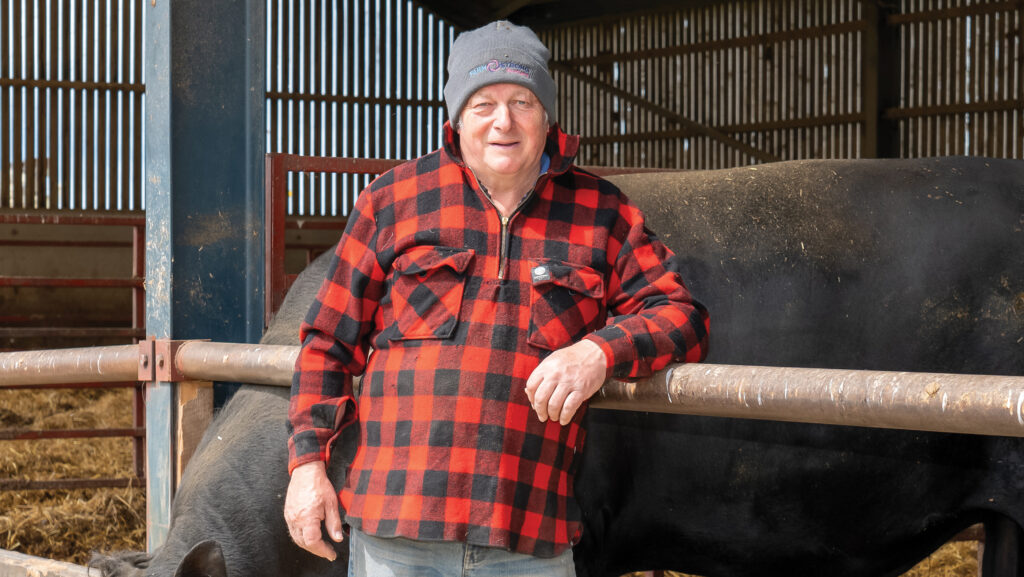
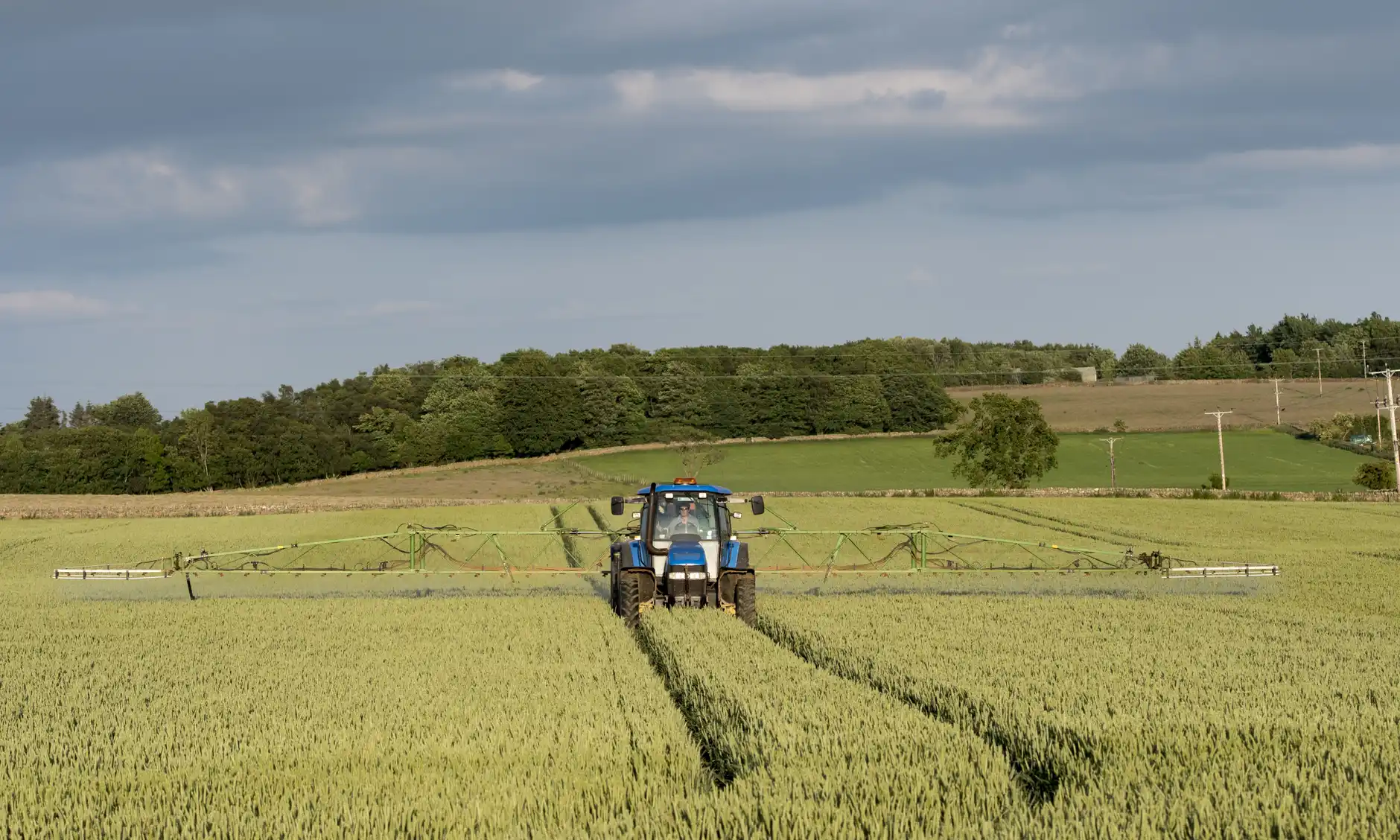
Growing crops on the far north coast of mainland Scotland can be a challenge, with heavy rain and gusty winds often limiting establishment. But this didn’t stop Caithness farmer John Anderson from achieving more than 10t/ha for his crop of spring oats last harvest. And the best bit? He achieved this from just 50kg/ha of bagged nitrogen. The bumper yield saw him win gold for the highest-yielding oat crop in the 2026 YEN Awards, with the variety Merlin achieving 10.09t/ha. See also: Whisky slowdown hits Scottish malting barley The secret to success, says John, is mixed farming and a long rotation incorporating grass to boost soil fertility and organic matter…
-
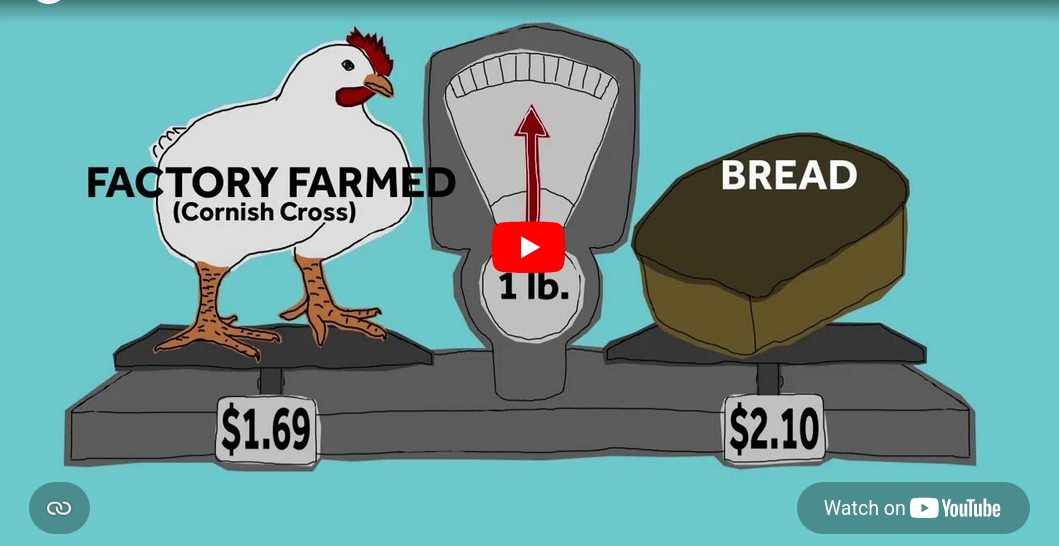
This is a Tale of Two Chickens and True Cost Accounting
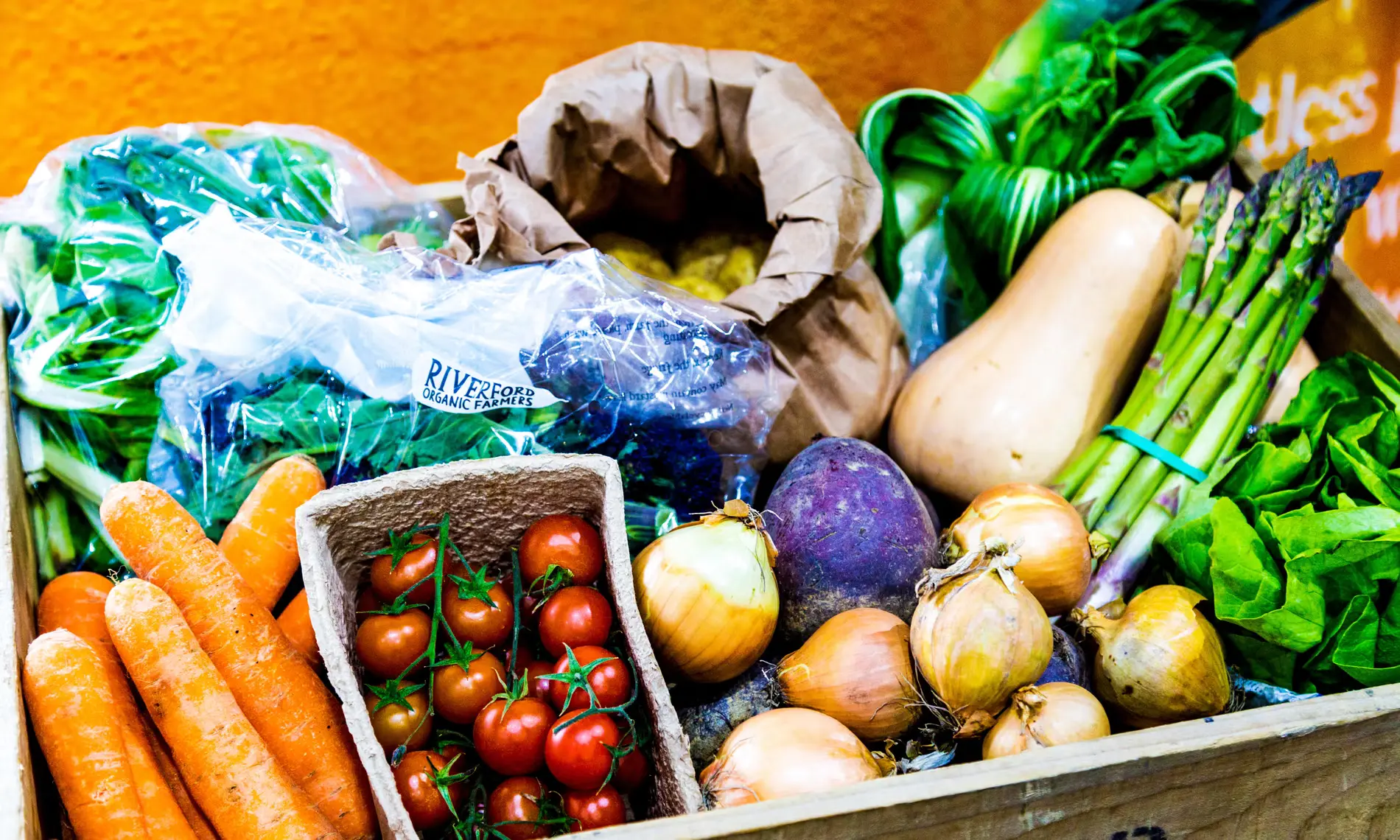
A Tale of Two Chickens is a short film which illustrates how we are paying a high price for food in hidden ways and why we need true cost accounting in our food and farming systems. Created with the Lexicon of Food, the Sustainable Food Trust hopes this film will help people to visualise the problem of food system externalities by comparing the stories of two chickens from two different production systems. One chicken, reared on pasture and organically grown feed, has minimal external impacts and in fact can generate actual benefits. While the other chicken, produced in a factory farm, is associated with many negative impacts which create hidden…
-
Scotland feeds people, England feeds birds
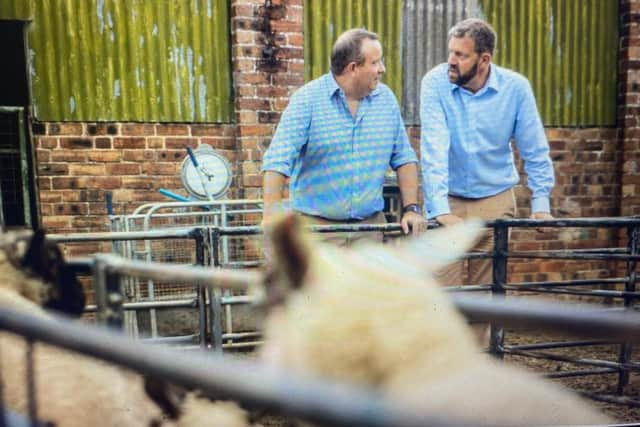
Farmer Focus 'Scotland feeds people, England feeds birds' is a provocative heading from the Farmers Weekly, but interesting all the same. Why? It is the view of a large proportion of farmers (not all) that the UK government is anti-farming. It is not. In order to save our world farming must adapt and change. That is what we are about at Earth and Leaf. John Playfair-Hannay represents a lot of farmers, claiming Scotland feeds people, England feeds birds. Have a read and make up your own mind.
-
Regenerative Agriculture and Soils – Best Practice
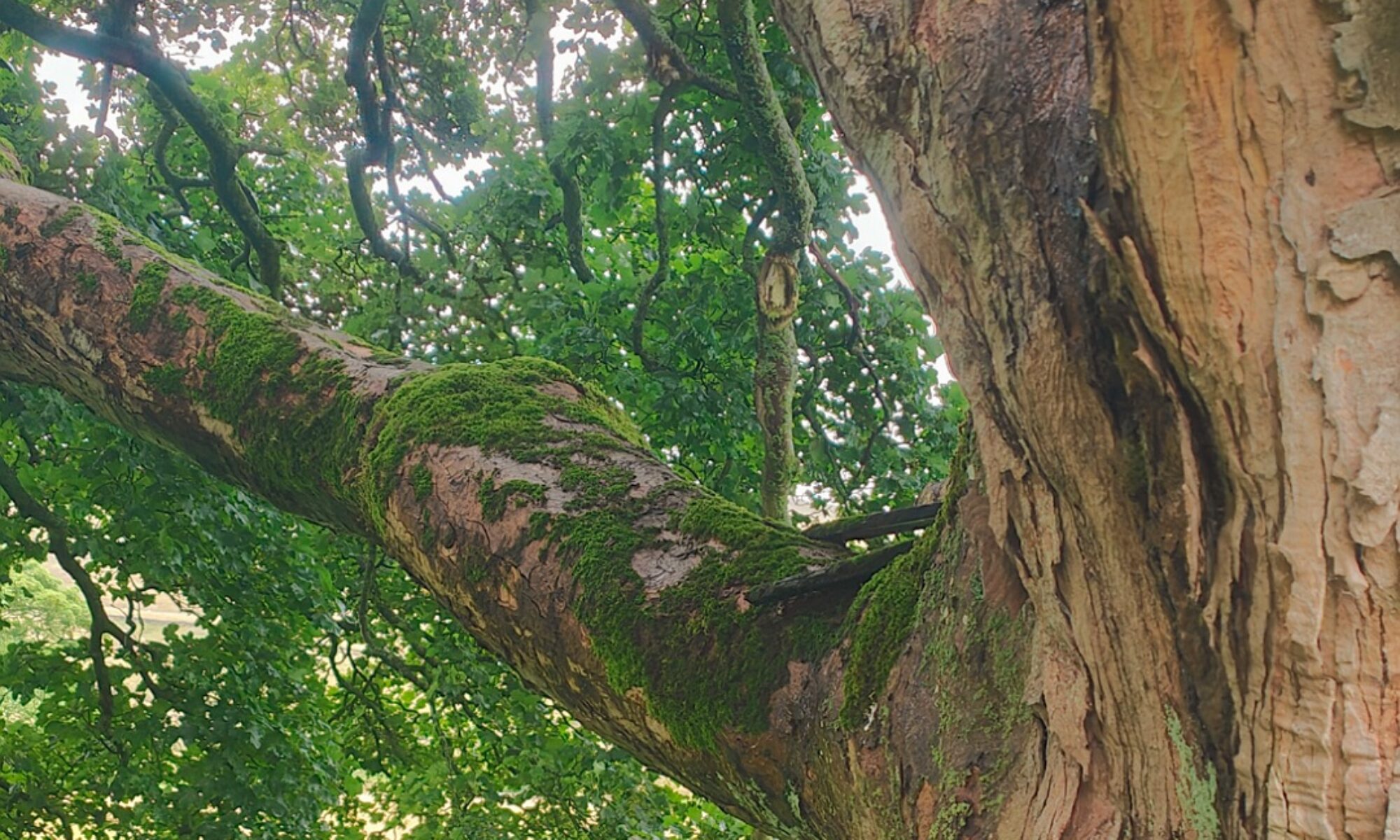
Regenerative Agriculture Imagine a pastoral scene.. Cows grazing on lush green grass, a vigorous vegetable garden, and sugar maple trees dominating a distant hill. Now imagine a feedlot with thousands of cows trampling in the dirt, the smell of rotten eggs wafting from a manure lagoon, and a couple dead cow carcasses waiting to be hauled away. Would you prefer to live next to a pastoral farm practicing regenerative agriculture or a factory farm housing thousands of cows? For most of us, the answer is easy. But the answer is not so easy if the question is: Which system–regenerative agriculture or factory farming–has the greatest potential to reduce…
-
The UK Needs More Grazing Livestock
"Is it really the case that the UK needs more grazing livestock not less? The answer is emphatically no. However the species variety needs to change, numbers must fall and the way they are managed must be modified dramatically. I fully realise it was part of a light hearted debate, but it is provocative. Professor Jude Capper should know better. I am very surprised that someone at this academic level deliberately misleads her audience on the formation of soil in order to support their own misguided belief that they are guardians of the countryside."
-
Upland farmers face huge cut in profit
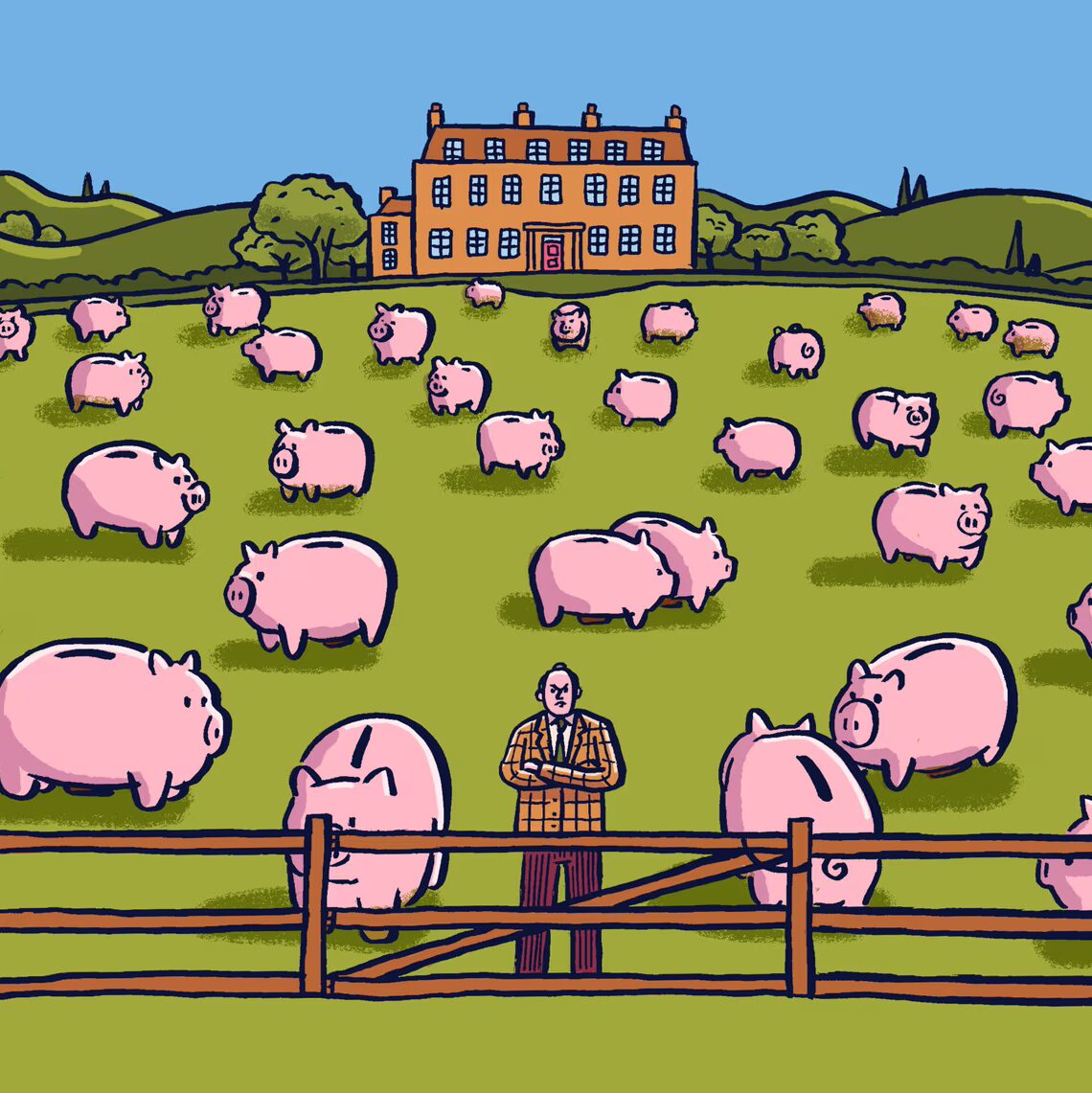
Upland farmers face huge cut in profit. This is exactly what Earth and Leaf is about - fixing this problem. Of course, the headline Upland farmers face huge cut in profit" implies upland farming is profitable which is an interesting assumption. Let's get these farmers a decent income in return for a sustainable output. Keep farming families on the land, provide employment, reduce environmental damage, reduce carbon emissions and boost woodland and wildlife. By the way, its not just Yorkshire that will be badly affected. This is what our Shepherds of the Trees project aims to do and to do it we have to change hearts and minds.
-
Improve carcase weight and meat quality
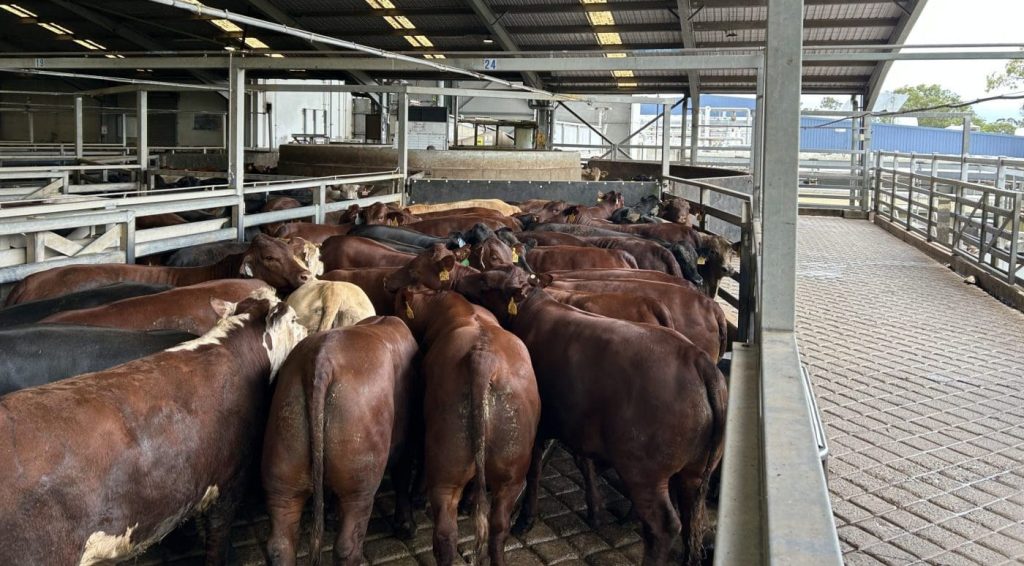
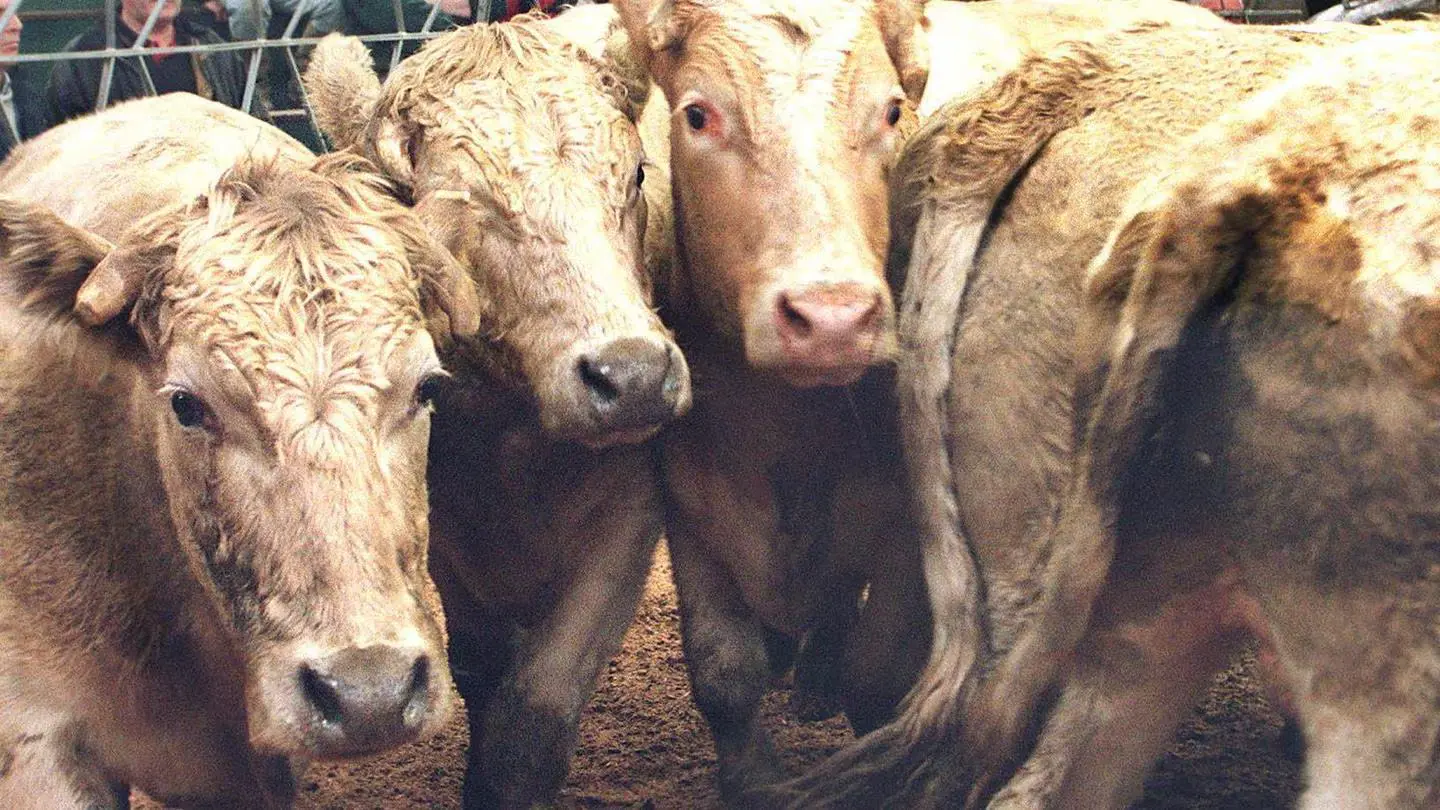
“Shorter lairage will improve carcase weight and meat quality. It is really all about stress and fear. The practice is inherently cruel. Transporting the animals long distances to modern “efficient” abattoirs is another factor. If we can, through sustainability and regenerative farming practices, de-intensify livestock production it will also help.” {Earth and Leaf Editorial} Shorter lairage will improve carcase weight and meat quality Shorter pre-slaughter lairage improves carcase weight and meat quality, study shows SHORTER waiting times before slaughter for cattle at Australian Country Choice’s Cannon Hill processing facility could produce a 4.64kg/carcase weight advantage, according to a new study. Shared across the wider Australian red-meat…
-
Wales is losing sheep – A great opportunity
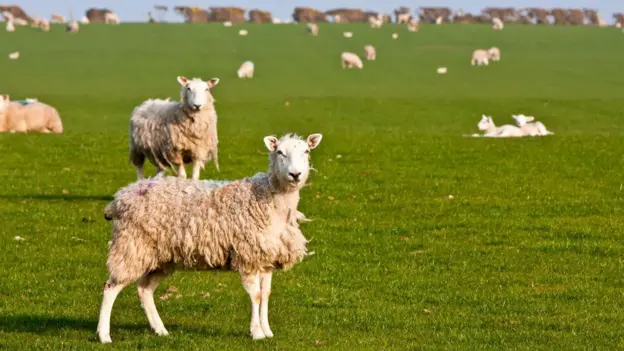
Sheep have shaped our upland landscape in far greater ways than many of us imagine. Land clearances paved the way for Scottish deforestation. We have an unusually structured sheep farming system. Have a look at this article and then have a look at our links.
-
Bring New Life to Rural Britain
https://www.theguardian.com/commentisfree/2024/nov/17/farmers-have-hoarded-land-for-too-long-inheritance-tax-will-bring-new-life-to-rural-britain?utm_source=dlvr.it&utm_medium=bluesky&CMP=bsky_gu
-
JBS broke its own rules while buying cattle from deforested areas in Pantanal
{Earth and Leaf Editorial – JBS broke its own rules while buying cattle from deforested areas in Pantanal – JBS is the worlds largest meat company and as such is out there with the fossil fuel companies. We need to remove JBS from the food supply chain unless they are willing to change. Given that it is prepared to break its own rules that is unlikely to happen.} {extract below} JBS broke its own rules while buying cattle from deforested areas in Pantanal The world’s biggest meat company bought cattle more than 100 times from a farm that was sanctioned and fined nearly $2.5 million for illegally destroying unique and…
-
Neighbours kick up a stink over industrial scale cattle farm plan
{Industrial scale cattle farm – is no-one listening to what the vast majority of top climate scientists are saying – This is simply ridiculous as are the councils main reasons for the refusal – Earth and Leaf Editorial} {extract below} Plans for an industrial scale cattle farm on the edge of a North Staffordshire town are set to be blocked. Dozens of residents are fighting the proposals for three beef rearing units at Westwood Hall Farm in Leek, which together could house hundreds of cows. Objectors have raised concerns over the noise and odour created by so many animals near people’s homes and schools, along with the impact on local…
-
Livestock and our unsustainable diet
Irish leaders need to start being honest about livestock’s long shadow and our unsustainable diets
-
Crofting National Development Plan
Crofting: national development plan
-
Livestock Breeding Herds Fall to Record Lows in England
Livestock breeding herds fall to record lows in England. This is great news. It would be good to research the trends.
-
Sustainable mushroom growing facility
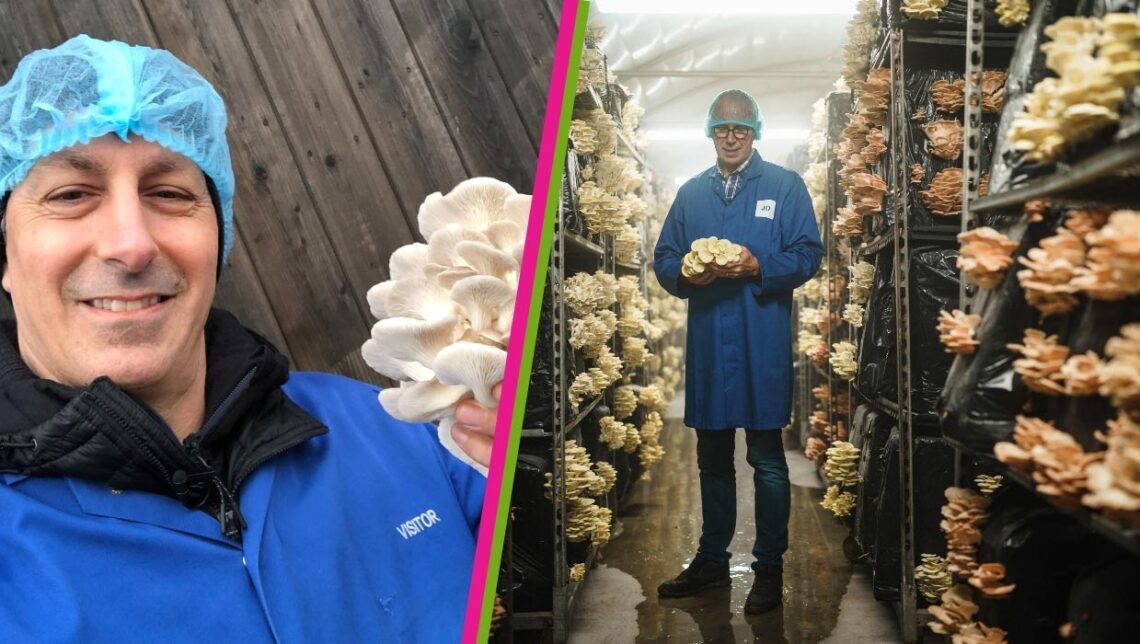
Sustainable mushroom growing facility
-
Impact of Food Production Must Inform Climate Policy
Impact of food production must inform climate policy
-
Transition Farmers to Sustainability
Transition Farmers to Sustainability
-
Labour has left Farmers Facing Agriculture Budget Cliff Edge says NFU
Labour has left farmers facing agriculture budget ‘cliff edge’, says NFU
-
Australian Cattle Industry Suggests Shift from Net Zero
Australian cattle industry suggests shift from net zero target to ‘climate neutral’ approach
-
Farmer Confidence at Lowest in England and Wales Since Survey Began, NFU Says
Farmer confidence at lowest in England and Wales since survey began, NFU says