Flawed Economic Models will Lead to Global Crash
Earth and Leaf Editorial - Flawed Economic Models will Lead to Global Crash
About time someone else realised that we use flawed economic models. Our current Economic teaching includes externalities. These are costs for someone else to bear. The theory only needs a tweak, the consequences of that tweak are unimaginably serious. Economists have always recognised these climate costs, but until now they haven’t been able to include them in their thinking.
So they were called Externalities.
They are now measurable costs. So the polluter must pay.

Extract
States and financial bodies using modelling that ignores shocks from extreme weather and climate tipping points.
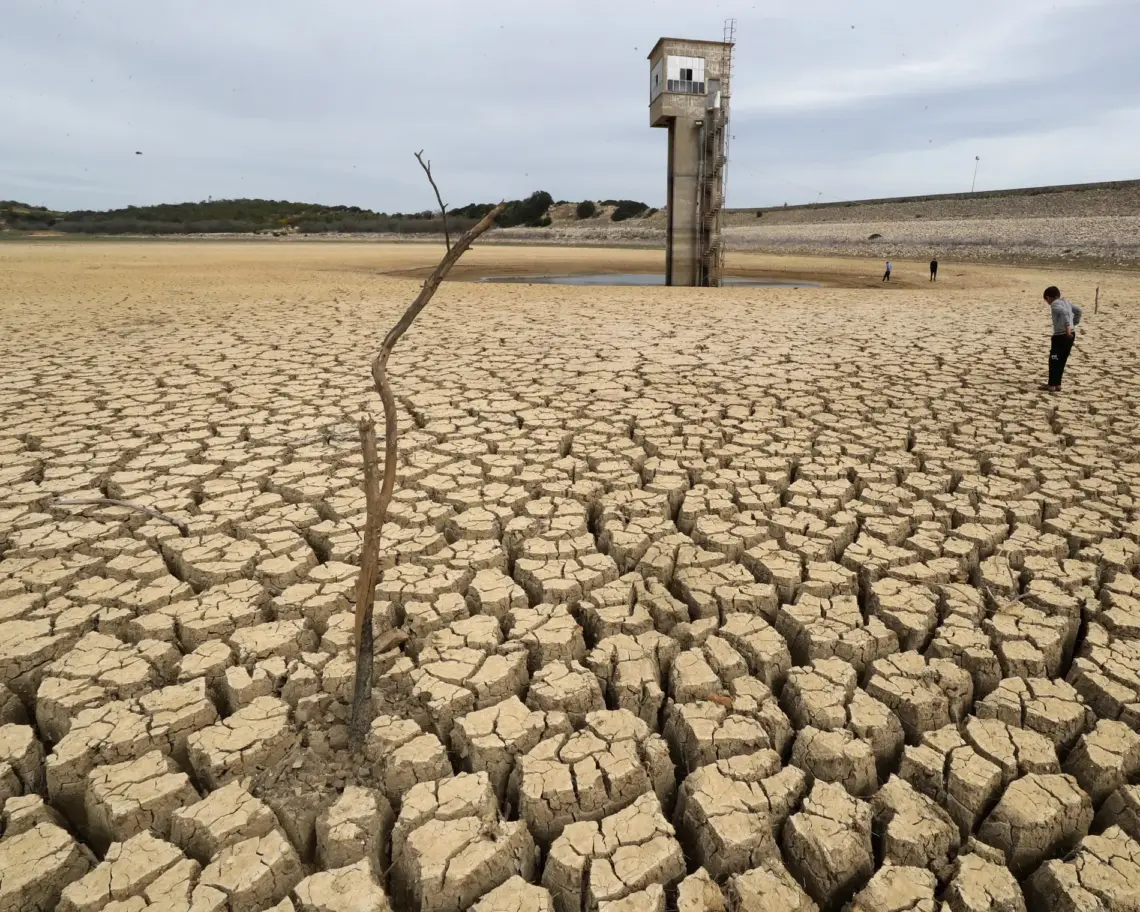
Flawed economic models mean the accelerating impact of the climate crisis could lead to a global financial crash, experts warn.
Recovery would be far harder than after the 2008 financial crash, they said, as “we can’t bail out the Earth like we did the banks”.
As the world speeds towards 2C of global heating, the risks of extreme weather disasters and climate tipping points are increasing fast. But current economic models used by governments and financial institutions entirely miss such shocks, the researchers said, instead forecasting that steady economic growth will be slowed only by gradually rising average temperatures. This is because the models assume the future will behave like the past, despite the burning of fossil fuels pushing the climate system into uncharted territory.
Tipping points, such as the collapse of critical Atlantic currents or the Greenland ice sheet, would have global consequences for society. Some are thought to be at, or very close to, their tipping points but the timing is difficult to predict. Combined extreme weather disasters could wipe out national economies, the researchers, from the University of Exeter and financial thinktank Carbon Tracker Initiative, said.
Their report concludes governments, regulators and financial managers must pay far more attention to these high impact but lower likelihood risks, because avoiding irreversible outcomes by cutting carbon emissions is far cheaper than trying to cope with them.
“We’re not dealing with manageable economic adjustments,” said Dr Jesse Abrams, at the University of Exeter. “The climate scientists we surveyed were unambiguous: current economic models can’t capture what matters most – the cascading failures and compounding shocks that define climate risk in a warmer world – and could undermine the very foundations of economic growth.”
Links to Other Relevant Stories and Sites
Thank you for reading. There are many more interesting articles in the Earth and Leaf Library.
Earth and Leaf would like to acknowledge the great work done by the many journalists, scientists, photographers and contributing organisations that we showcase in our Library. We credit these contributors. We could not make a contribution to this critical work without their hard work and dedication.


