-
Inheritance Tax Charges for Farmers
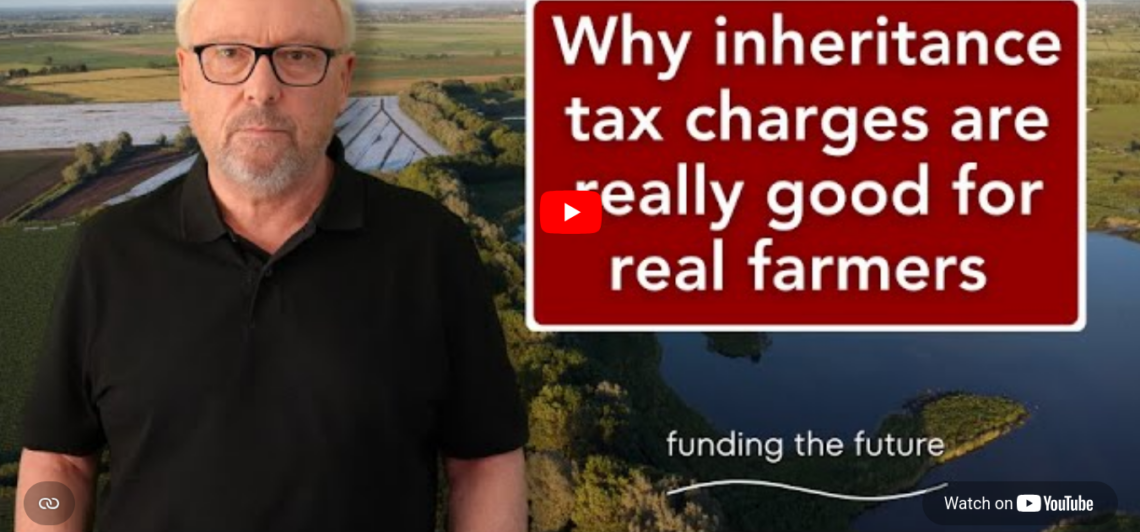
When farmland has become financialised in the way it has been because of inheritance tax exemptions, farming can't work, so farmers need to realise that actually having an inheritance tax charge helps them to reclaim farming for farmers and for the benefit of the people of this country. They really should not be protesting today: Labour is, for once, on their side and even doing the right thing.
-
This is a Tale of Two Chickens and True Cost Accounting
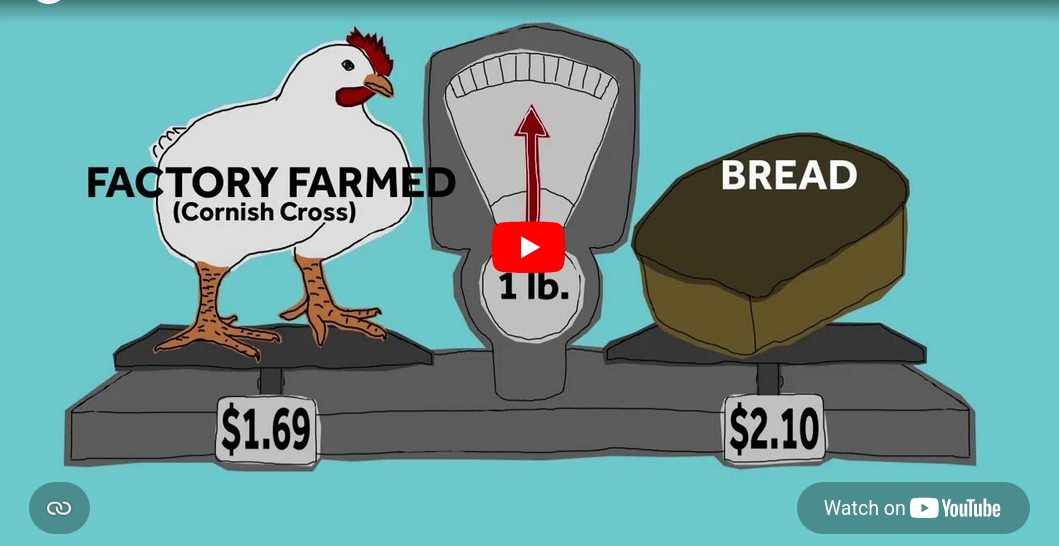
A Tale of Two Chickens is a short film which illustrates how we are paying a high price for food in hidden ways and why we need true cost accounting in our food and farming systems. Created with the Lexicon of Food, the Sustainable Food Trust hopes this film will help people to visualise the problem of food system externalities by comparing the stories of two chickens from two different production systems. One chicken, reared on pasture and organically grown feed, has minimal external impacts and in fact can generate actual benefits. While the other chicken, produced in a factory farm, is associated with many negative impacts which create hidden…
-
Natural bridges to reconnect the last Javan gibbons
JAVA — Indonesia. Throughout the misty mountains of central Java, the call of the Javan gibbon (Hylobates moloch) once echoed throughout the forest. Today, their voices are fading. Java is one of the most densely populated regions on Earth, and decades of logging, agriculture and infrastructure development have fragmented the forest, while rampant hunting and the illegal pet trade have also taken their toll.With only an estimated 4,000 Javan gibbons left in the wild, they are now listed as endangered on the IUCN Red List. Many of the remaining populations have been left stranded in disconnected patches of forest, unable to move without uninterrupted canopy cover. Conservationists warn this isolation…
-
How Do You Grow Trees in a Treeless Land
The stark and austere landscape of Iceland is iconic and one of the most noticeable traits is a lack of trees. The Icelandic ecosystem is classified as one of the most degraded in Europe, having experienced one of the worst cases of deforestation in the world. When viking settlers first arrived in Iceland, the land was covered in birch forest. But after hundreds of years of sheep-grazing, soil erosion and eruptions, Iceland was left with just 0.5% forest cover and a big problem: how do you grow trees in one of Europe’s largest deserts? Gabrielle Lawrence heads to the remote corners of south Iceland to meet Samson Harðarson and Hrefna…
-
Rewilding a Quarry – with Rewilding Portugal
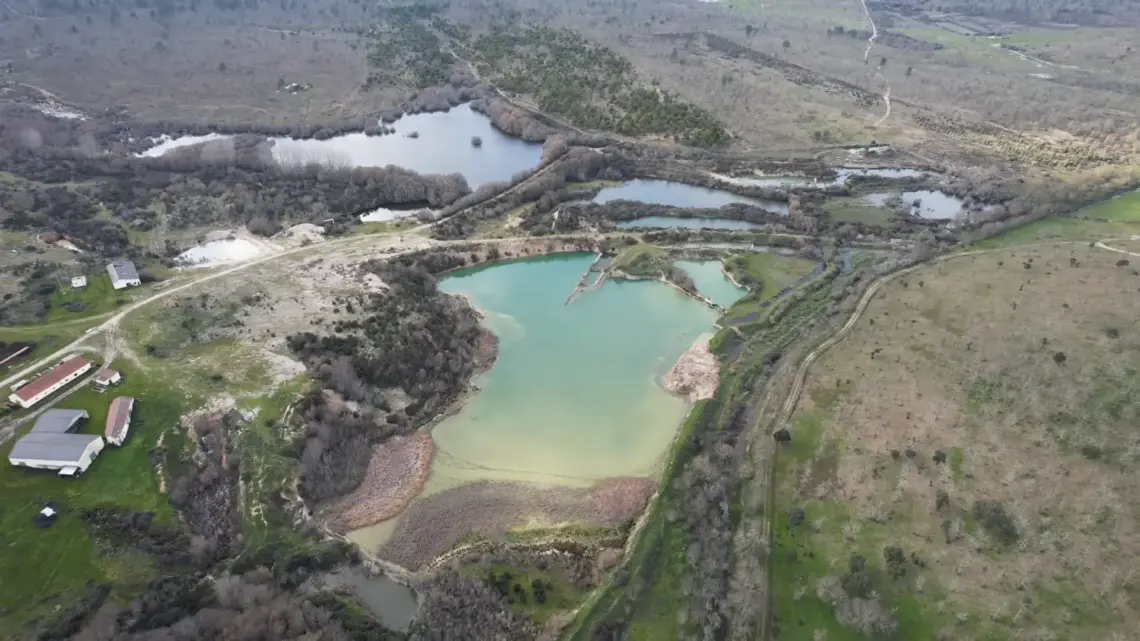
We've been given a chance by our friends at Rewilding Portugal to help restore an old quarry and help transform it into a thriving wetland sanctuary. This is a project that will have many stories to tell as it is one of those very interesting examples of how we can accelerate rewilding.
-
The Amazons Biggest Trees are Dying
As tropical forests worldwide degrade and decline at increasing rates, the fate of their largest trees remains unknown. Big trees store a huge amount of carbon, so assessing their current mortality rates and causes of death (especially due to escalating climate change) is vital to calculating how much tropical forest carbon sinks could decline in the future. The Gigante project, which started in the Brazilian Amazon in June 2024, is initiating an innovative new protocol utilizing detailed drone surveys combined with ground truthing to evaluate tropical big tree mortality. The project has begun an identical survey in Panama and will conduct others in Malaysia, Cameroon, and another Amazon location. Knowledge…
-
Beavers at Work – Restoring Valuable Wetlands
Beavers, which were hunted to extinction in Britain in the 16th century, are making a comeback and in the process are helping to restore valuable wetland ecosystems. Known as nature's engineers they restore wetland habitats through dam-building and felling trees, slowing, storing and filtering water in their habitat, which attracts other wildlife and reduces flooding downstream. In the UK, 90% of wetland habitats have been lost over the last 100 hundred years. These waterlogged environments are rich in biodiversity and the loss has led to a drastic decline of wildlife. They are also important in countering the effects of extreme weather conditions, storing and absorbing the water flow during floods…