Farming
Farming - Specifically added to select posts for the Farming Insights Ticker
-
The Future of Beef in our Diet
Tom Cheesewright, Sliced Bread, Radio 4 “…. in fifty years I think real meat is going to be a total luxury by that point. It will take that long, there are lots of scale up challenges with cultivated meat, cultured meat and some of these other things. The cultural shift it requires for us to drop it from our diet for many people, but I do think that that steak yeah, will be an occasion, a real occasion in the restaurant other than something that you are picking up in the supermarket … Tom Cheesewright, Sliced Bread, BBC Radio 4 26/03/26. Tom Cheesewright Tweet Beef in our Diet – A…
-
Do we Grow the Right Food: Incredible Insights
Do we Grow the Right Food in the UK? The fact I am asking the question, do we grow the right food tells you the likely answer. A traditional British diet used to comprise a lot of bread, potatoes, root vegetables, meat, eggs and a limited amount of green vegetables. Sugar was a treat having originally been used as a preservative, but grew massively in consumption. This diet was developed as a result of the British Isles geography and consequently the climate. This still forms the basis for our current agricultural production, yet whilst our food tastes and climate are changing, our agriculture is not. The UK produces about 62%…
-
Can We Build A Sustainable Future for Farming
Can we build a sustainable future for farming? We can if diet changes and farming is placed centrally by governments as part of the fight against environmental catastrophe
-
Sustainability in Farming
Sustainability in farming is about growing the right food and about our diet. Just transition and education is critical for the future of our farming communities
-
Feed or Save Our World ?
Feed or Save Our World; that is the question asked by farmers. The simple academic answer is we must save the world, then we can feed the humans. In trying harder and harder simply to feed ten billion we are destroying our home. It must also be pointed out that it is a shared home. We now know we cannot survive without the ecological support of stable, ancient and complex ecosystems. These ecosystems need land and water every bit as much as we do. Here are a few hard facts; Climate change is already responsible for more migration than conflict; Land is a scarce resource and becoming scarcer by the…
-
Agricultural Methane Emissions Must be Eliminated as a No 1 Priority
Short term gains in the fight to save the planet can be made if we understand that dealing with methane emissions must be a priority 1st is best. Methane is rapidly heating up our world and some sources we can directly control. Its is fact that Carbon Dioxide does most of the long term damage, but it is also true that Methane is over thirty times more potent than CO2. Methane also leaves the atmosphere fairly quickly, Carbon Dioxide does not. So, where are the sources of Methane emissions? Agriculture, decomposition of waste and fossil fuels – these are under our control and account for 60% of the Methane in…
-
Crofting is the Ultimate Sustainable Farming
This post explains why Crofting is Sustainable Farming, particularly on farming with beef and sheep. Why? Firstly it is important to state that crofting is a developed traditional farming system that makes best use of it’s local environment for farming. The fact it is relatively not harmful for wildlife is coincidental and crucial. The only fertiliser used traditionally is seaweed. That’s fine within reason. It is also coincidental because support of crofting is national policy in Scotland. How is it that Crofting is sustainable farming?
-
A Farmers Perspective, where do we go from here
From a farmers perspective times are hard. Not least, the weather has been awful for the last two years, one too wet, one too dry. This will keep happening. However that is not the only issue. We live in changing times where the guaranteed subsidies available under the European Union are being removed. Alternative programs are being put in place such as the ……………………………. and the Welsh …………………………… This is why we are developing the Shepherds of the Trees project. A Farmers Perspective Times are changing. The weather is more challenging. Our relationship with the EU has changed. Meat consumption is falling. Certain industries, namely sheep, beef and dairy are…
-
Why we Farm Cows and not Goats (and why we should change that)
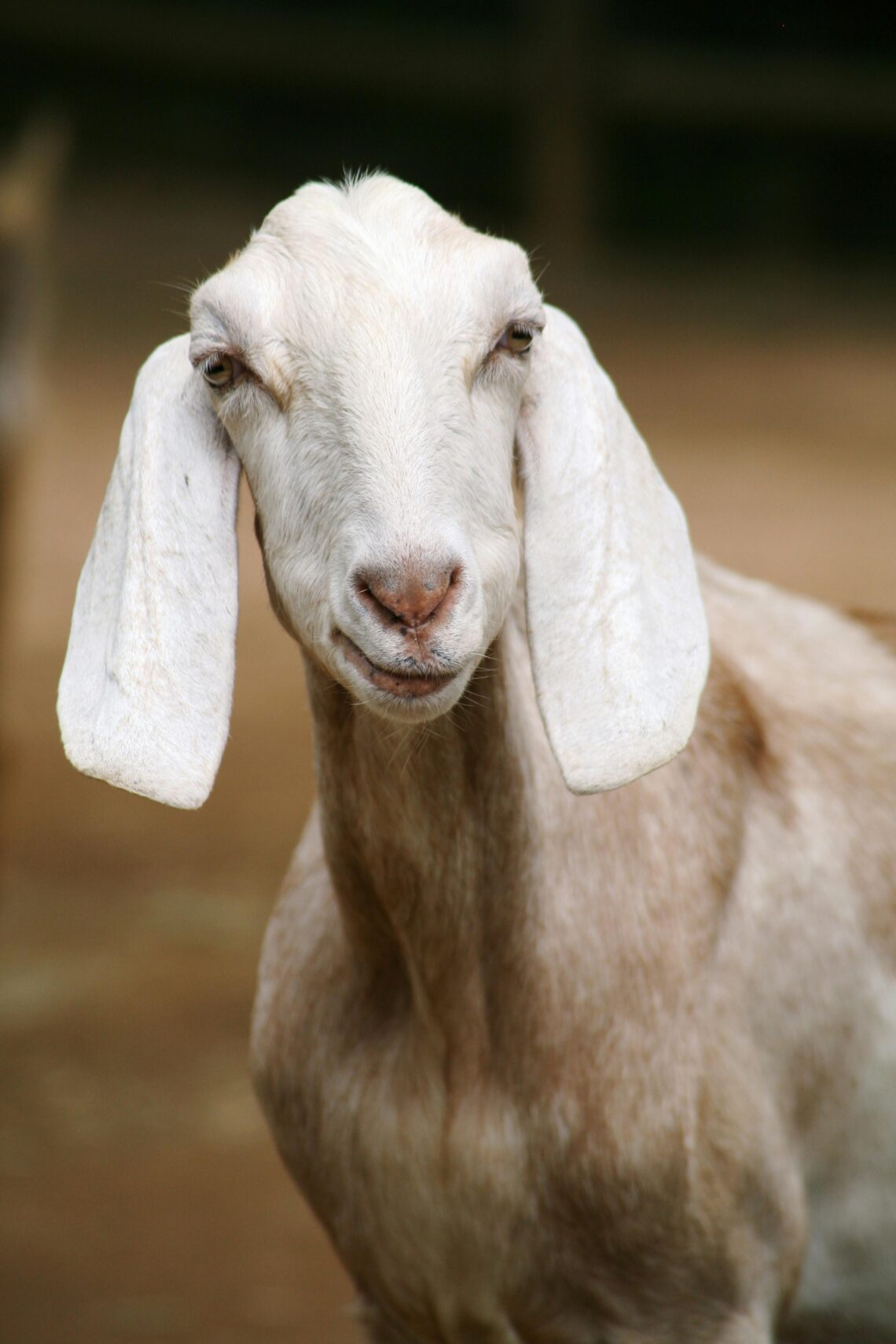
The reason why we farm cows and not goats for dairy products is quite simple with sound historical reasoning. Cows are easy to control and can live on just grass, they are grazers. Goats are browsers and are very difficult to fence in and control. In the UK our farmland is owned and boundaries are jealously guarded. However that does not mean that it should stay that way. Modern dairy cows live an average of just under three lactations, about 6 years. Yet these animals used to be able to have a stress free lifespan of 12 to 15 or more years. They have been bred to a fine type…
-
Sheep Farming in Wales, Time for Profound Change
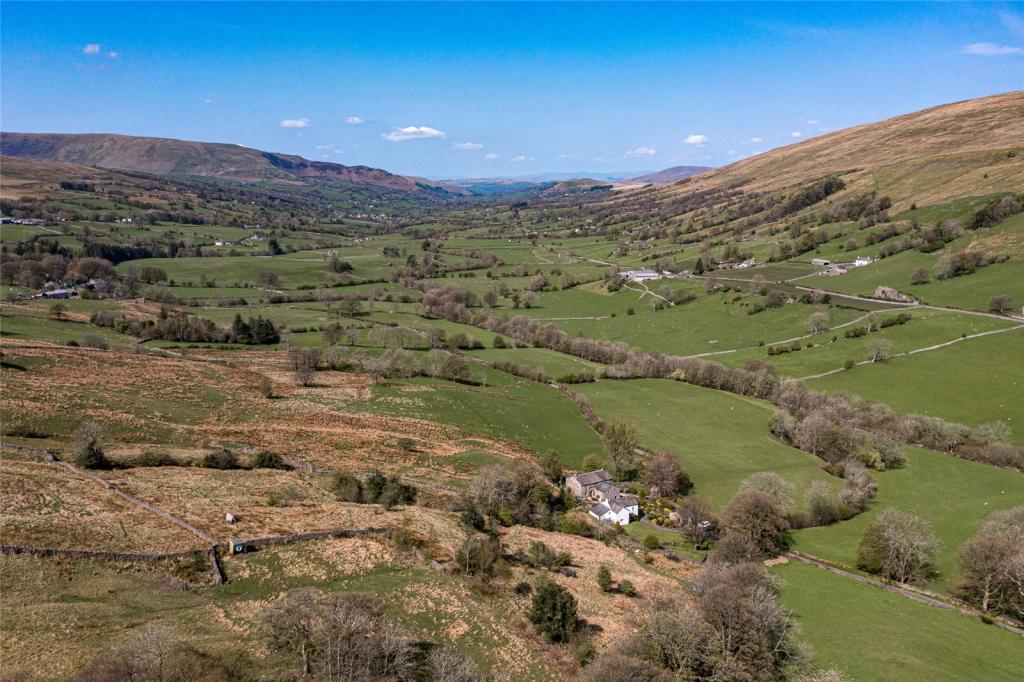
Let’s Revolutionise Sheep Farming in Wales and continue to shape the character of the nations environment. A lot of upland Wales is unsuitable for any other type of farming. I have spent quite a bit of time in Wales over the years, working in the farming sector. I always found our Welsh farmer customers open to new ideas and far more interested in marketing and new tech than others in the UK. So here we are. Farmer protests at the Senedd. Earth and Leaf wants to work with farmers. The Sustainable Farming Scheme is a great move towards restoring habitat across Wales. This is a great article by Dr Malcolm…
-
Cows Milk in our Diet – the Future
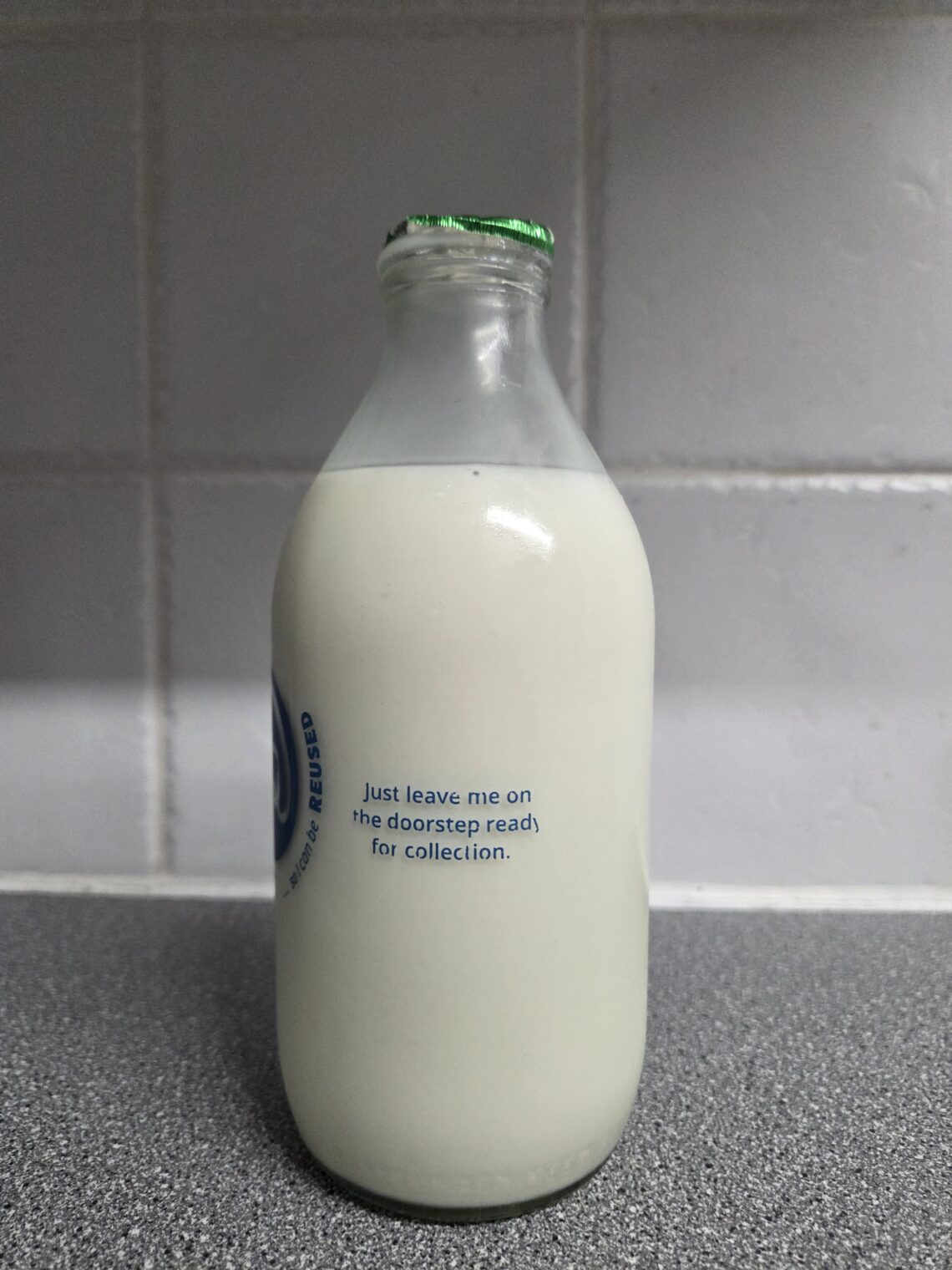
The future of cows milk in our diet is up for discussion. It is the most consumed dairy product in the world by volume and in the UK is cheaper than bottled water. By an accident of genetics, Caucasian peoples are able to digest cows milk, but many are intolerant to some degree. In contrast Asian origin people are, post infancy, unable to digest cows milk effectively. About The Founder of Earth and Leaf – Iain Dunn I think its important here to say a little about me, my apologies… “My career is founded on milk. Early on this was through the family farm. We milked about 36 cows to…
-
The Power of Genomics – Improve Farm Sustainability
We must grasp the power of genomics firmly to help agriculture, but not simply to raise yields. We need to be smarter than that. LINK
-
Mushrooms are the Future of Our Diet and of our World
Mushrooms are the Future. I grew up on a farm that had fields full of Field Mushrooms and Puffballs every autumn. We also had Shaggy Inkcaps and a large number of others fungi too. The Inkcaps grew in a straight line across a large field next to an ancient bridleway. I always wondered why. Now I know – there used to be a hedge there, an ancient hedge. I have never worked on another farm since with a huge variety of fungi out there. They were always near the edge of the wood or a hedge. Sometimes they would appear where a hedge used to be! Key to this is…
-
Sheep Farming Reform is Long Overdue
Sheep farming reform is long overdue in the UK. We have unique system that produces about eight million lambs for slaughter each year. This system involves 18 million ewes when just 8 million should be enough. Why? Tradition. We have what is known as a stratified sheep farming system. This is rooted in traditions of upland and moorland management. Progress in the new science of Genomics means we no longer need that system which would free millions of hectares of farmed land for other uses. Sheep meat consumption is falling fast so we no longer need those eight million lambs. This is the ideal time for sheep farming reform in…
-
Time for Another Agricultural Revolution
It is Time for Another Agricultural Revolution