-
The hidden cost of eating fish, how things are getting worse
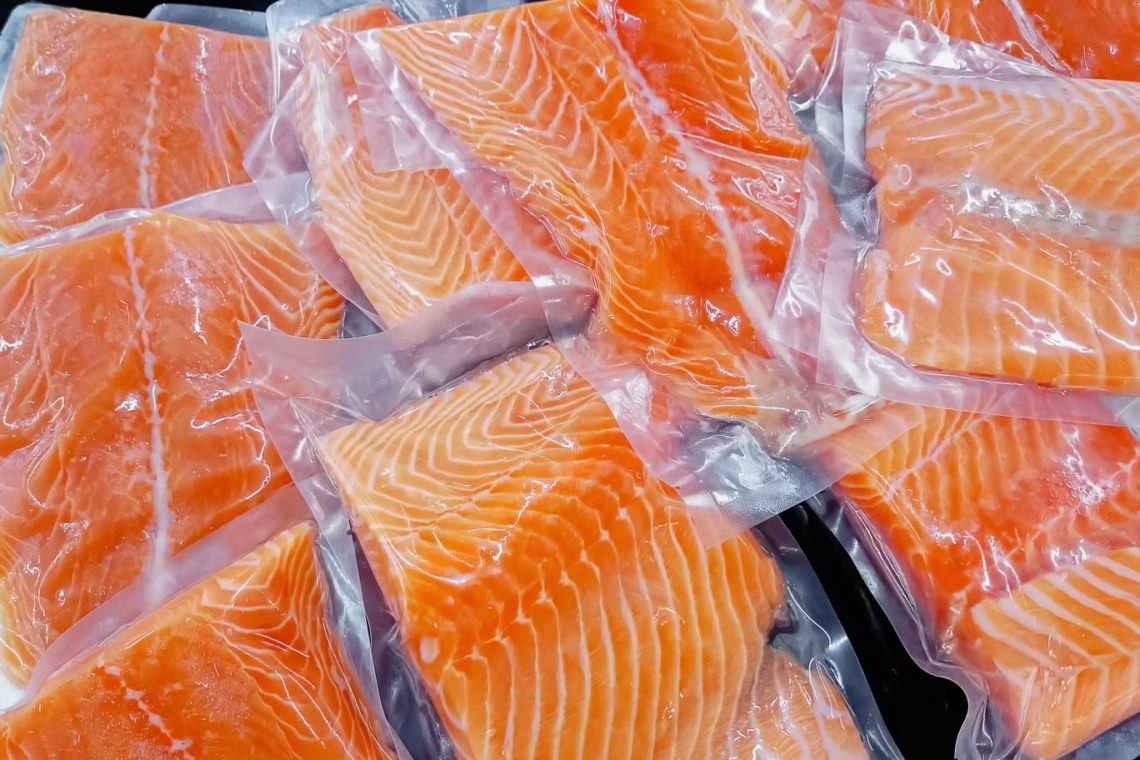
Earth and Leaf Editorial – The Hidden Cost of Eating Fish The hidden cost of eating fish is exposed in this article. For years, the advice has been simple: eat less red meat, eat more fish. It’s lighter, cleaner, better for your heart, better for the planet. We must change the way we implement economic theory exposing the hidden cost of eating fish. Read on … Getty/iStock Excerpt For years, the advice has been simple: eat less red meat, eat more fish. It’s lighter, cleaner, better for your heart, better for the planet. But once you factor in welfare, environmental damage and sheer scale, it starts to look like one…
-
Rising sea temperatures around the UK and the potential threat to wild fish
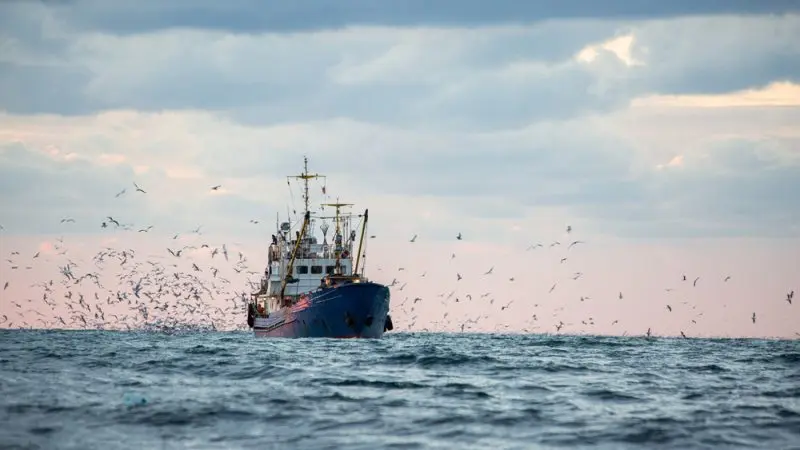
{Earth and Leaf Editorial – Rising sea temperatures around the UK and the potential threat to wild fish} {extract below} Rising sea temperatures Millions across the UK have been enjoying a sweltering start to the summer, but unusually high temperatures at sea could spell trouble for marine and freshwater wildlife. The Met Office confirmed that global sea surface temperatures for April and May smashed previous records, at their highest since monitoring began in 1850. An ‘unprecedented’ marine heatwave in UK waters The US National Oceanic and Atmospheric Administration has classified the abnormally high sea temperatures in UK waters as a ‘category 4’ heatwave. Cat 4 marine heatwaves are described as…
-
Whats So Great About Sandeels?
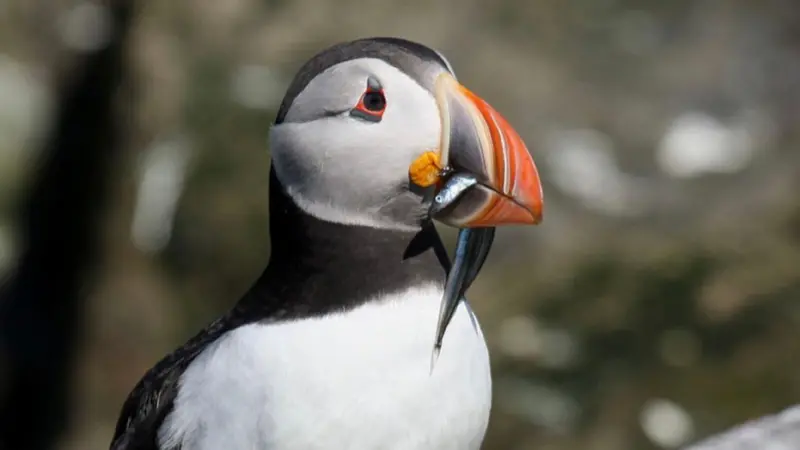
{Whats So Great About Sandeels? – Earth and Leaf Editorial} {extract below} Have you ever seen a sandeel? Your initial instinct might be no — but if you’re familiar with Atlantic puffins (Fratercula arctica), then it’s highly likely that you have. After all, it’s one of their favourite food sources and you’ll often spot these shimmering silver fish in photographs, dangling from a puffin’s flamboyant bill. But it’s not just puffins that enjoy feasting on them. Packed with protein and extremely nutritious, sandeels are preyed upon by a whole host of marine creatures including seabirds like black-legged kittiwakes (Rissa tridactyla) and terns (Sternidae), dolphins and porpoises, and economically important fish…
-
Why are we Obsessed with Just Five Types of Fish?
Why are we obsessed with just five types of fish?
-
Facing up to Accelerating Exploitation of Oceans
Facing up to accelerating exploitation of oceans
-
Sierra Leones artisanal fishers turn to destructive practices
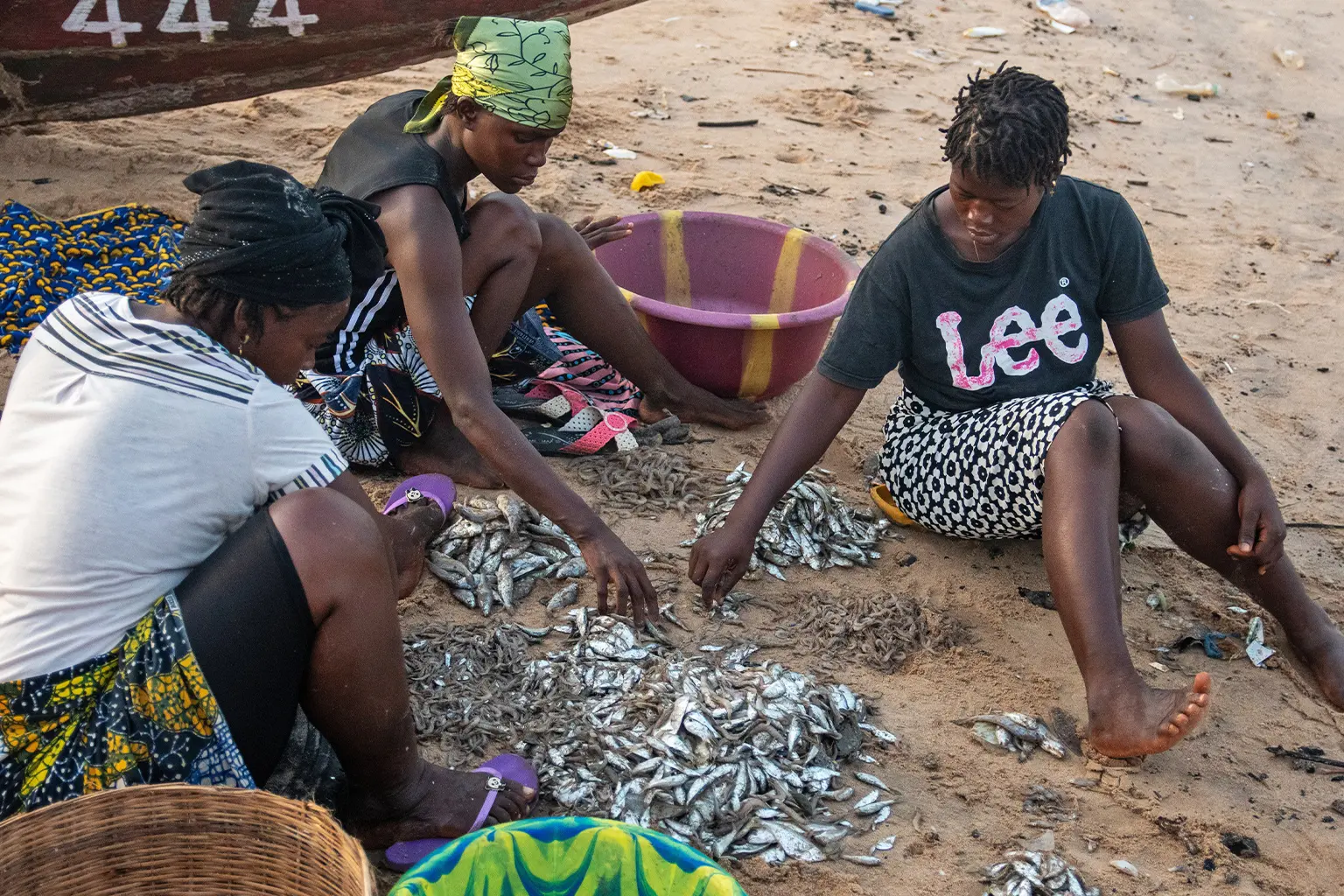
As catches fall, Sierra Leone’s artisanal fishers turn to destructive practices
-
Challenge to fishing ban a threat to seabirds – RSPB
Challenge to fishing ban a threat to seabirds – RSPB Sandeels are used in feed for famed fish in vast quantities. They are also used in pet and farm animal feeds. {excerpt below} Challenge to fishing ban a threat to seabirds – RSPB The Royal Society for the Protection of Birds (RSPB) has said it is “vital” a UK ban on fishing for sandeels in the North Sea remains in place. The ban, which stops sandeel trawlers fishing in English and Scottish sections of the North Sea, came into effect in April following a long campaign by conservationists concerned about declining seabird populations, particularly puffins and kittiwakes. Today’s link to…
-
Paris Leads Coalition of EU States to Demand Actions Against UK Ban on Bottom Fishing
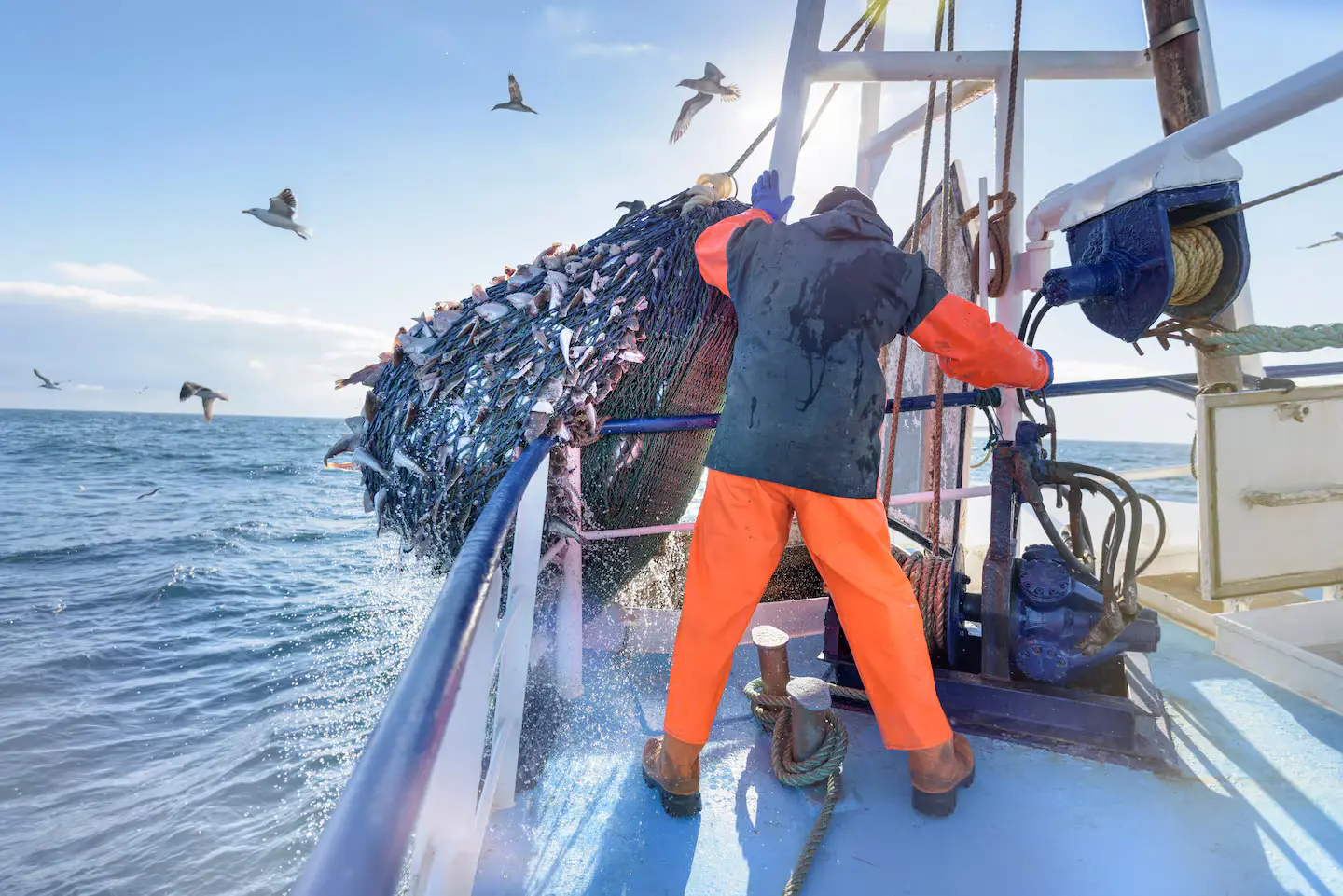
{UK ban on bottom fishing – Earth and Leaf editorial} {extract below} Paris leads coalition of EU states to demand actions against UK ban on bottom fishing According to French government sources, nine EU countries will meet in Brussels at the start of the week to discuss the impact of the UK’s decision to ban bottom fishing in 13 marine protected areas, a measure London says applies equally to its own fishermen and those from the EU. Today’s link to our pages or posts . . . Bottom Trawling Destroys the Seabed and Must End Now
-
Is Hakes remarkable recovery in the Atlantic a sign of hope for our oceans?
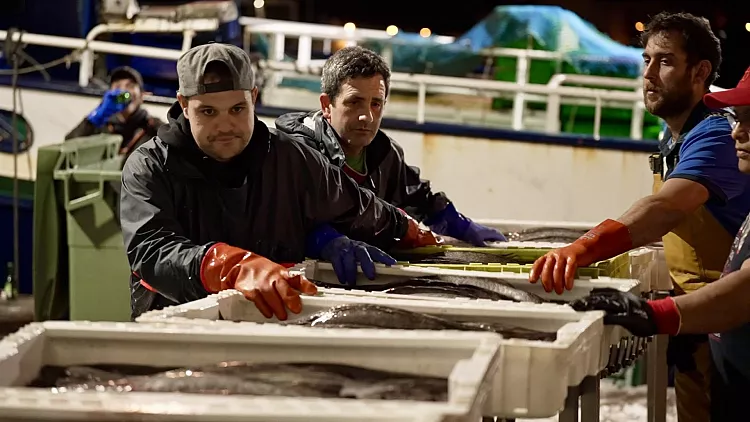
{Hakes remarkable recovery – Earth and Leaf Editorial} {extract below} Is Hakes remarkable recovery in the Atlantic a sign of hope for our oceans? The hake population in the waters of Northwestern Europe has recovered spectacularly over the past 20 years. What’s behind this remarkable rebound and how might this success story be repeated elsewhere? You would be forgiven for assuming that the secluded fishing villages of Galicia in northern Spain are not a hive of activity at 02:00 am, but you would be wrong. Boasting over 1,600 kilometres of coastline, this autonomous region is renowned for its fish dishes. Dock workers here at the Port of Celeiro work throughout…
-
In Sierra Leone Local Fishers and Foreign Trawlers Battle for Their Catch
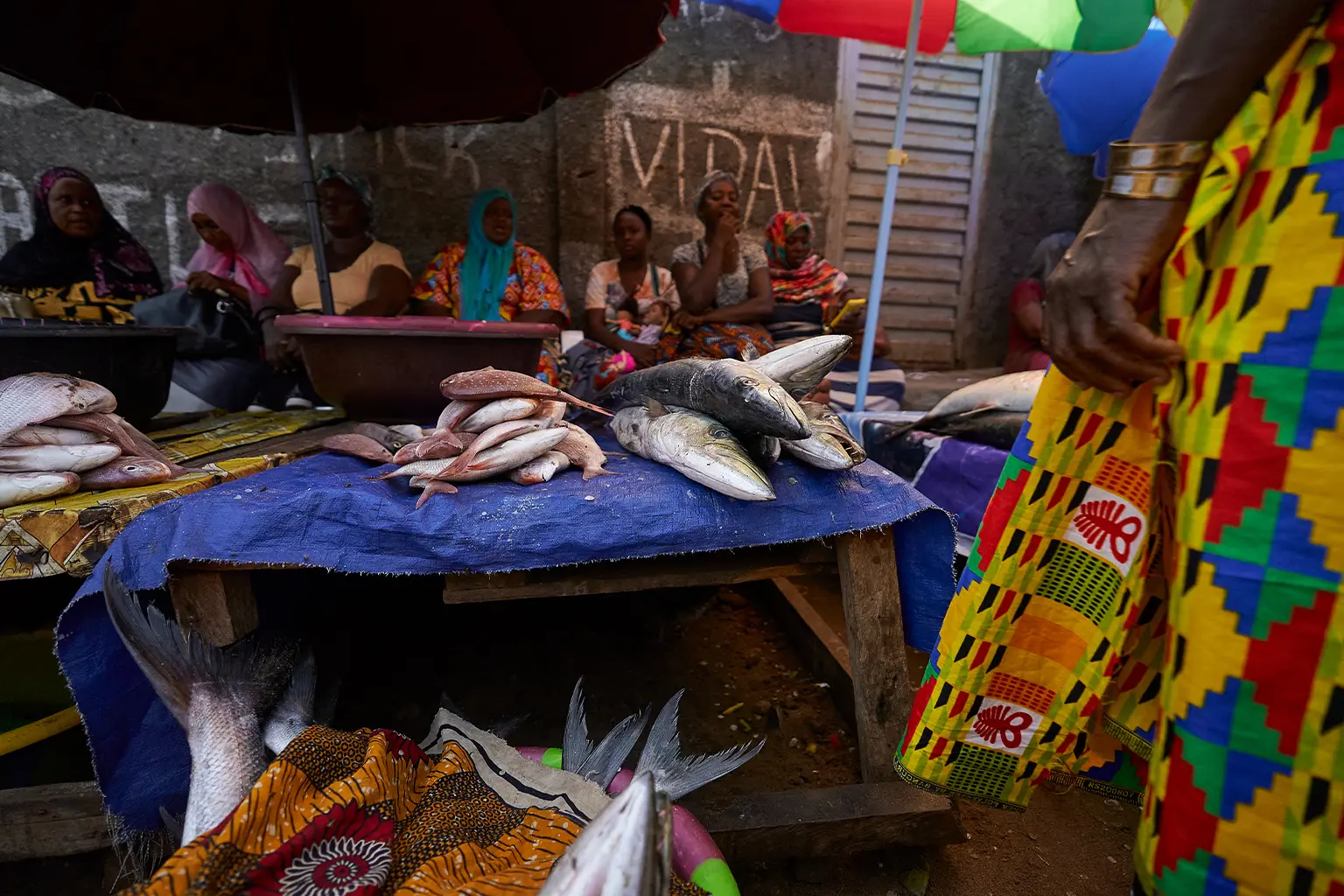
{Sierra Leone Local Fishers – Earth and Leaf editorial} {extract below} In Sierra Leone, local fishers and foreign trawlers battle for their catch Overfishing isn’t a new problem in West Africa, where industrial fishing boats from across the world harvest massive quantities of seafood for both local and foreign markets. Many use ecologically destructive practices like bottom trawling, where vessels drag huge nets across the ocean floor, indiscriminately scooping up anything too big to escape and churning up corals, rocks and sediment. In Ghana, for example, a report by the Environmental Justice Foundation (EJF) last year found that fish populations are on the edge of collapse, with the total landing…