-
The Doomsday Glacier – the Largest in West Antarctica
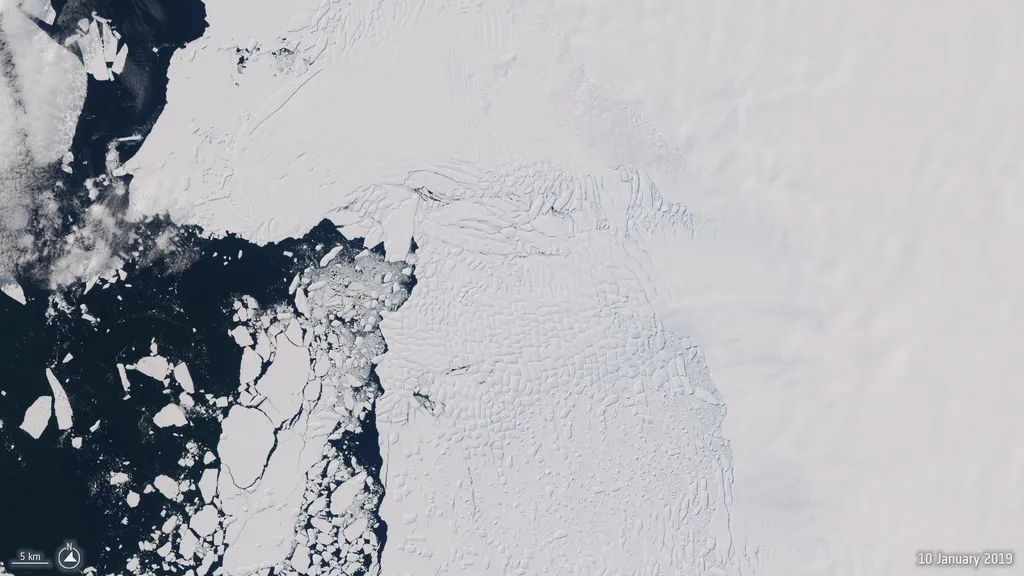
Earth and Leaf Editorial – The Doomsday Glacier This is serious for lots of reasons. Antarctica’s fragile environment is being destroyed. Water and ice are the buffers that maintain a stable and equitable climate on our shared world. It takes a great deal of heat to melt this much ice. The latent heat of fusion uses huge amounts of energy to turn ice at 0 degrees C into water at 0 degrees C and vice versa. Thwaites Glacier is the largest glacier in West Antarctica, pictured here by the Copernicus Sentinel-2 mission in 2019. (Image credit: Photo: ©ESA; Contains modified Copernicus Sentinel data (2019), processed by ESA) The Doomsday…
-
Burying Dead Trees after a Wildfire
Earth and Leaf Editorial – Burying Dead Trees The science actually indicates, leave them alone. Cutting them down and burying dead trees is unnecessary, will disturb the soil releasing CO2. Cutting then down and burning them is idiocy. Charred trees still standing after a wildfire in Glacier National Park, Montana – Gorski/NurPhoto/Shutterstock Will burying dead trees after a wildfire keep their carbon locked up? Partially burnt trees still standing after a wildfire are typically felled and burned, but a US start-up claims burying them instead will trap the carbon underground for centuries. In 2021, a smouldering underground coal seam ignited the tinder-dry grass and brush in Poverty Flats, Montana,…
-
Drax Should Have No Place in UK Climate Plan
Once again I have to talk about Drax. This company, Drax, burns old growth forest felled in Canada and imported to the UK. This is emphatically not green energy, nor is it renewable energy. They've just built a ship to facilitate this vile trade. Their ridiculous subsidies must stop. I need say no more.
-
Deforestation Accounts for Major Amazon Rainfall Decline
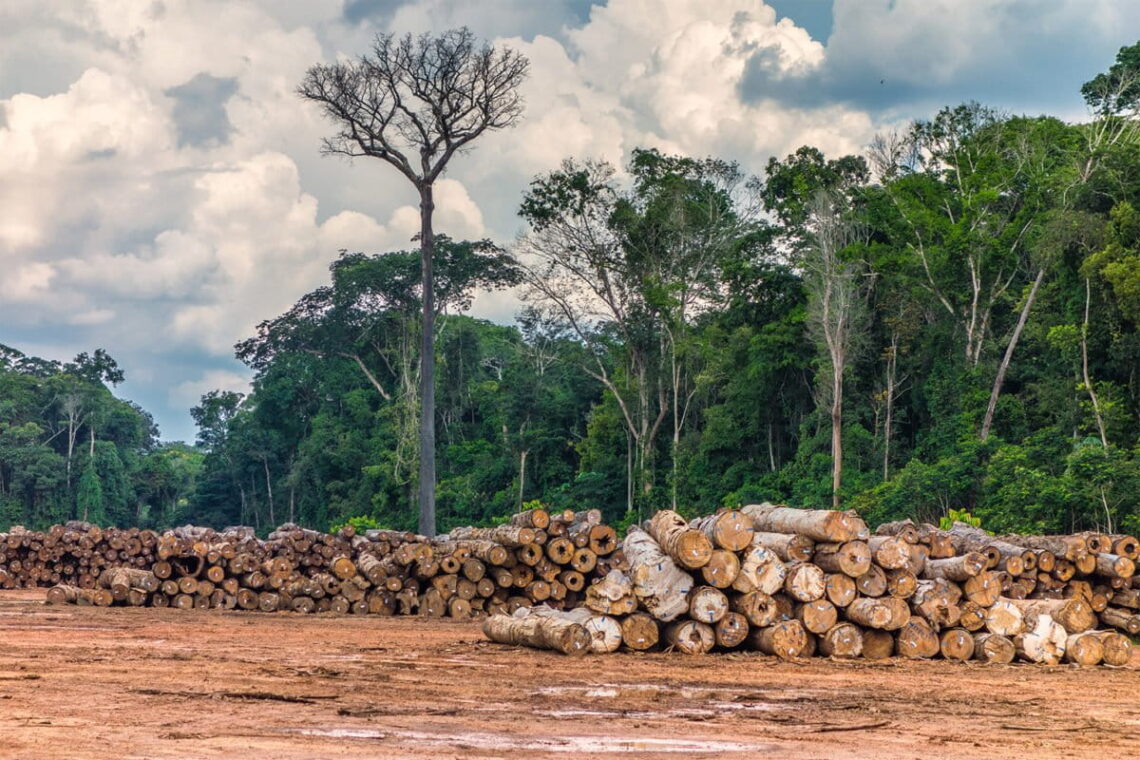
Earth and Leaf Editorial – Study finds deforestation accounts for major Amazon rainfall decline Amazon rainfall decline can be stopped. We must support the Amazonian countries so they can end mining, soya production for livestock feed and end beef ranching. Logging activity in the Brazilian state of Rondônia, with trees already tagged and waiting for transportation. Image courtesy of Vicente Sampaio/Imaflora. Excerpt Amazon Rainfall Decline A study looking at land and atmosphere interactions in the Amazon Basin across four decades found that 52-72% of the rainfall decline in the southern Amazon is due to large-scale deforestation. Between 1980 and 2019, annual precipitation in the southern Amazon declined by 8-11%,…
-
Earth Being Pushed Beyond it’s Limits
Is Earth being pushed beyond it's limits? WE need a thorough understanding of climate science to understand what is going on.
-
Aquatic Deoxygenation – Earth’s 10th Tipping Point
Earth and Leaf Editorial – Earth’s Disastrous 10th Tipping Point Has Been Identified Aquatic Deoxygenation William Grammenos//Getty Images Extract Crossing Planetary Boundaries (PB)—a concept that defines nine potential ecological “tipping points”—could spell doom for ecosystems and humanity’s future on the planet. Of these PBs, humans have already crossed six of the nine thresholds. Now, scientists are arguing that there’s potentially a tenth boundary that’s gone unrecognized, which concerns worldwide aquatic deoxygenation in lakes, reservoirs, oceans, and other bodies of water. “Climate change” is a scary, catch-all term that summarizes all the anthropogenic degradation humans are inflicting on the planet. In reality, climate change is only one of the many…
-
Costa Rica’s Cloud Forests
Earth and Leaf Editorial – Cloud Forests and Climate Change We don’t know whether Costa Rica’s cloud forests can cope with climate change. We need to try very hard not to find out. They are incredibly important biodiverse entities. Lets work hard and lets hope … The cloud forests in Costa Rica are under growing threat from climate change. AFP Extract Shrouded in mist, dripping with water and boasting an extraordinary richness of plant and animal life, the cloud forests of Monteverde in north-western Costa Rica offer a glimpse into what seems like another world. With vines curling down from the trees, and orchids and ferns in abundance, it is…
-
First Climate Tipping Point Reached
First Climate Tipping Point Reached – A Catastrophe for Coral Reefs Earth and Leaf Editorial This is the inevitable news that the first climate tipping point reached. It has come sooner than I perhaps hoped. We now have to change our behaviour. Unless global heating is reduced to 1.2C ‘as fast as possible’, warm water coral reefs will not remain ‘at any meaningful scale’, a report by 160 scientists from 23 countries warns. This means we must cool the planet starting now which is a phenomenal task. Links to Other Relevant Stories Bottom Trawling Destroys the Seabed 1.5 Degrees Climate Target is Dead 3 Coral reefs face long-term decline now…
-
Fig trees may benefit climate by turning carbon dioxide into stone
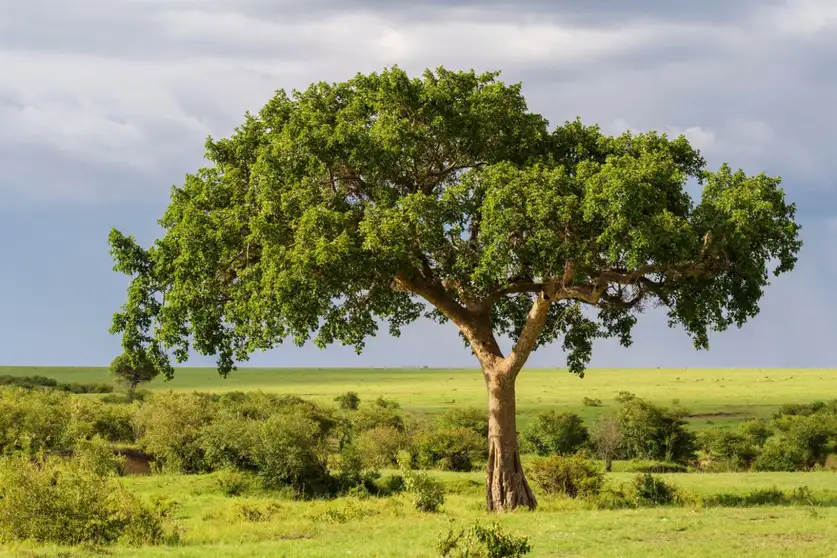
Some fig trees can convert surprisingly large amounts of carbon dioxide into stone, ensuring that the carbon remains in the soil long after the tree has died. This means that fig trees planted for forestry or their fruit could offer additional climate benefits through this carbon-sequestration process. All trees take up CO2 from the air, and most of that carbon typically ends up as structural molecules used to build the plant, such as cellulose. Some trees, however, convert CO2 into a crystal compound called calcium oxalate, which bacteria in the tree and the soil can then convert to calcium carbonate, the main component of stones like limestone and chalk. Carbon…
-
Carbon Brief
Earth and Leaf Editorial – Glossary: Carbon Brief’s guide to 25 ‘climate-friendly’ farming methods Carbon Brief tell us that global food systems are responsible for around one third of planet-warming greenhouse gas emissions each year. Does that include deforestation, transport of soya? If not then its much higher still. Lets find out. The answer? It does not include deforestation. Glossary: Carbon Brief’s guide to 25 ‘climate-friendly’ farming methods Extract Global food systems are responsible for around one third of planet-warming greenhouse gas emissions each year. Agriculture is also, by far, the biggest driver of deforestation and biodiversity loss. Producing less meat, using less synthetic fertiliser, stopping food waste and…
-